

Introduction: Mastering Global Transit in 2026
Planning international travel today is very different than it was just a few years ago. While choosing the right destination remains important, savvy travelers now understand that true travel success depends on something equally critical: anticipating and managing the ground experience.
Global factors—from major airline operational restructuring to TSA staffing challenges and emerging European border regulations—have fundamentally reshaped how international travel works. These changes aren’t going away. In fact, they’re becoming the new normal.
The good news? With the right strategies, you can transform these obstacles into opportunities. Instead of hoping your international travel plans go smoothly, you can know they will.
This guide breaks down the three biggest factors reshaping international travel in 2026, explains why they matter, and shows you exactly how to protect your itinerary from start to finish.
1. Airline Disruptions and Weather Delays: Why Flexibility Wins
Airlines worldwide are restructuring operations in response to rising fuel costs, labor pressures, and increasingly severe weather patterns. Spring 2026 alone has seen massive cascading delays across major U.S. hubs—particularly in Texas and Florida—with early-season cancellations becoming routine rather than exceptional.
The reality: airline cancellations and flight delays are no longer edge cases. They’re part of the landscape of international travel planning.
Understanding the Problem
When a major flight gets canceled or delayed, the ripple effects are immediate and severe:
Connection risks multiply – A two-hour delay on a connecting flight can turn into a missed connection, stranding you or sending you to a standby list for the next available flight (often 12+ hours later)
Compounding stress – Each delay adds friction to your international travel experience, from missed hotel check-ins to derailed meetings or vacation time
Limited rebooking options – During peak travel periods, airlines can’t simply rebook you on the next flight; you might wait days for availability
How to Stay Ahead of Flight Delays
Use Proactive Monitoring Tools
Apps like Flighty go beyond standard airline notifications—they track your flight continuously and alert you to delays before the airline makes an official announcement. This 30-60 minute head start gives you time to adjust plans, contact your hotel, or explore alternatives before everything becomes urgent.
Book Early Morning Flights When Possible
Statistical data consistently shows that first flights of the day have the lowest cancellation and delay rates. Why? Because early flights have zero cascading delays from previous flights. By the time afternoon and evening flights roll around, any morning disruption has already created a domino effect across the airport’s schedule.
When booking your next international travel itinerary, prioritize those 6 a.m. and 7 a.m. departures—they’re not convenient for most travelers, which means they’re more reliable.
2. Europe's New EES System: Prepare for Longer Border Wait Times
If your next international travel destination is anywhere in Europe, you need to understand one critical development: the European Union’s Entry/Exit System (EES) has fundamentally changed how non-EU citizens enter the continent.
What Changed?
Until recently, non-EU citizens arriving in Europe simply showed a passport and passed through customs. Now, the EES requires:
- Biometric registration – Fingerprints and facial scans captured and stored in an EU database
- Digital tracking – Entry and exit dates electronically recorded for all non-EU visitors
- New infrastructure requirements – Airports needed to install new technology and retrain customs staff
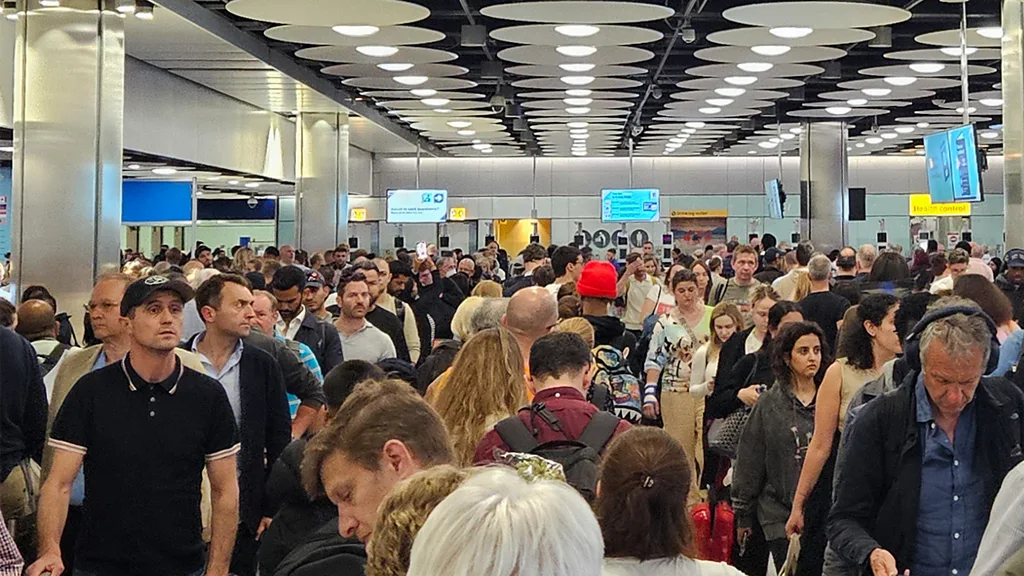
On paper, this system promises to streamline border control and improve security. In practice, during the current implementation phase, wait times at major European hubs have skyrocketed.
The Wait Time Reality
The impact on international travel wait times has been dramatic:
- Paris (Charles de Gaulle): Waits reaching 90-120 minutes during peak hours
- Amsterdam (Schiphol): Average delays of 60-90 minutes; some travelers reporting 2+ hour waits
- Madrid (Barajas): Similar disruptions affecting both EU and non-EU arrivals
For travelers arriving during peak hours (typically 2 p.m.–6 p.m.), a two-hour wait at passport control is becoming the norm rather than the exception.
Why This Matters to Your International Travel Plans
Your arrival experience sets the emotional and logistical tone for your entire trip. Arriving fresh and energized is fundamentally different from arriving exhausted after waiting two hours in a crowded customs queue. That initial experience also impacts downstream timing:
- If you had a tight connection, delays could cost you your next flight
- Hotel check-in might shift from afternoon to evening
- Tours, activities, or business meetings get compressed
- Jet lag hits harder when you’ve already spent hours in queues
How to Minimize EES Wait Times
Fly During Off-Peak Hours
The busiest times at European airports are typically 2 p.m.–6 p.m. (when multiple long-haul flights land simultaneously). If possible, book flights arriving early morning (6 a.m.–9 a.m.) or late evening (9 p.m.–midnight). Fewer passengers mean faster processing.
Use Airport Fast Track Services
Many major European airports now offer paid fast-track services specifically designed to help travelers avoid EES bottlenecks. These services provide dedicated lanes and priority processing, cutting typical wait times from 90+ minutes to 15–20 minutes.
Pre-Register When Available
Some airports allow travelers to pre-register biometric data before arrival, reducing on-site processing time. Check your destination airport’s website for pre-registration options.
3. U.S. TSA Security: Managing Unpredictable Wait Times
While Europe grapples with new border technology, the United States faces a different challenge: the Transportation Security Administration (TSA) is stretched thin.
The Staffing Challenge
Recent budget constraints and staffing shortages have created measurable pressure on TSA operations. During peak hours (typically 5 a.m.–8 a.m. and noon–2 p.m.), wait times regularly exceed historical norms:
- Standard lanes: 30–45 minutes during peak hours (historically 15–20 minutes)
- Holiday/summer periods: 60+ minute waits reported at major hubs
For international travelers with tight connection windows—especially those connecting through major U.S. hubs like JFK, LAX, ATL, or O’Hare—these delays can be the difference between making and missing a connection.
The Domino Effect
A single TSA delay creates cascading problems:
- You miss your departure gate cutoff
- The airline removes you from the flight (even if it hasn’t pushed back yet)
- Next available seat might be on tomorrow’s flight
- International itinerary unravels
This scenario repeats hundreds of times daily across U.S. airports.
Solutions: TSA PreCheck and Beyond
Enroll in TSA PreCheck or Global Entry
TSA PreCheck provides:
- Dedicated security lanes with shorter wait times
- No shoe/belt removal or liquid restrictions
- X-ray screening only (no body scanner)
Global Entry adds expedited customs and immigration processing for U.S. citizens returning home—an additional buffer when international travel routes back through the U.S.
Both programs are investments in streamlining your airport experience—well worth considering for frequent travelers.
Arrive Earlier Than You Think You Need To
Standard advice (arrive 2 hours for domestic, 3 hours for international) was calculated during different TSA conditions. In 2026, add an extra 30 minutes for international departures, especially during peak travel times.
Use Real-Time TSA Wait Time Data
The TSA publishes live wait times for most major U.S. airports through its website and app. Check wait times 20 minutes before you plan to enter security—if wait times are spiking, either adjust your travel time or consider alternative routes through less congested airports.
The Royal Airport Concierge Solution: Certainty at Every Step
The obstacles outlined above—airline cancellations, European border delays, TSA bottlenecks—are real. But here’s what separates confident travelers from anxious ones: they don’t manage these challenges alone.
At Royal Airport Concierge, we’ve spent years helping corporate executives, frequent flyers, and leisure travelers simplify their airport experience. We do this by controlling the one thing that matters most: facilitating your seamless journey through the airport.
You can’t control the weather, the airspace, government regulations, or airline operations. But you can have expert guidance and coordination throughout your airport experience—and that changes everything.
Expert Navigation: The Most Efficient Route Through Every Airport
For European EES delays: Our team knows the most efficient routes and most efficient processes at major EU airports. We guide you through customs using the most streamlined pathway available, helping you navigate the biometric registration process with confidence and clarity—not left standing confused in a 200-person queue.
For U.S. TSA and customs: We coordinate with airport partners to ensure you follow the most efficient security and customs route specific to your airport and flight type. Our experts know which lanes move fastest, the best times to clear security, and exactly how to minimize airport friction.
Unlike generic fast-track guarantees we can’t control, we focus on what we can control: your personal strategy and real-time guidance through the airport experience.
Disruption Management: When Plans Change
Flight canceled. Connection at risk. Schedule unraveling.
When something goes wrong at the airport, most travelers face a logistical nightmare: standing in a rebook line with 100 other stranded passengers, navigating airline policies, and making split-second decisions while stressed and exhausted.
Your Royal Airport Concierge greeter is there to facilitate your airport journey. They understand the terrain, know the policies, and can help coordinate your next steps with the airline and ground services—allowing you to focus on managing the disruption rather than managing the airport itself.
Our role is to simplify the process: helping you understand your options, connect with the right people, and navigate the airport during an unexpected change. While airlines ultimately control rebooking decisions, we handle the complexity of coordinating your next move.
Why These Three Things Matter: The Hidden Cost of Airport Friction
Every minute spent managing airport friction—standing in security lines, waiting at customs, resolving rebooking issues—is a minute not spent on what matters to you.
For the busy executive, that’s lost productivity on critical projects. For the leisure traveler, that’s vacation time sacrificed to logistics. For both, it’s stress and exhaustion that sets the tone for the days ahead.
Smart international travel planning isn’t about avoiding airports. It’s about moving through them efficiently, so you spend more time at your destination and less time in transit.
Your Next International Trip Starts With Expert Guidance
The 2026 landscape of international travel is complex. Airline disruptions are real. Border delays are real. Security bottlenecks are real. But navigating them doesn’t have to mean going it alone.
By understanding these three challenges—and having expert coordination to manage them—you transform international travel from something frustrating into something manageable.
The first step? Let Royal Airport Concierge guide you through the airport. We’ll coordinate your route, manage the complexity, and ensure your airport journey is as seamless as possible.
Because the greatest luxury in international travel isn’t a first-class seat or a premium hotel. It’s having expert coordination and guidance at every step—arriving at your destination ready and refreshed, not exhausted from managing airport chaos.
Your itinerary deserves better. And so do you.

 简体中文
简体中文  English
  Español
  Français
  Русский
  Italiano
  العربية