

If you’ve started mapping out your summer plans around the World Cup 2026 locations, you’re not alone. This tournament is going to be massive—bigger than anything FIFA has done before. More teams, more matches, more cities, and (you guessed it) way more people flying at the same time.
That’s the fun part.
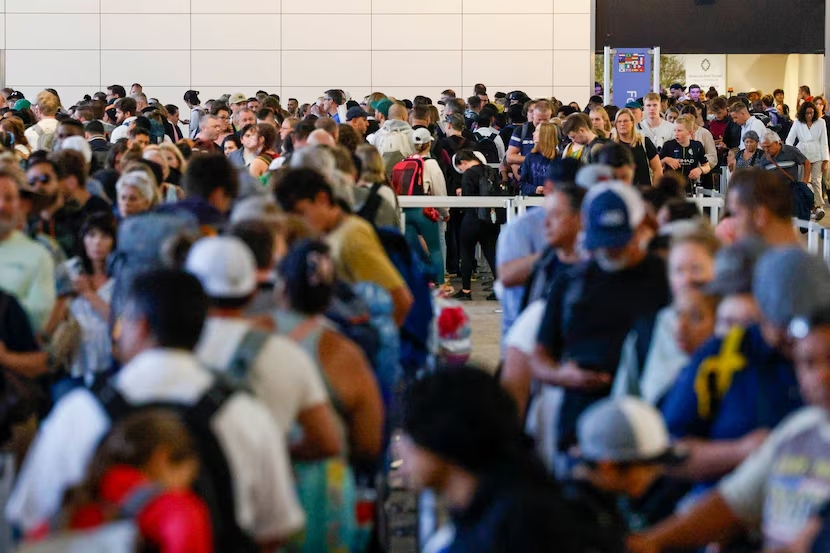
The not-so-fun part is what happens in airports when millions of fans, media crews, sponsors, and event staff all move through the same terminals in tight windows—often right after match days, often on the same routes, often with connections. Airport “busy” becomes airport overloaded.
At Royal Airport Concierge, we’re not here to scare you—we’re here to help you travel like a pro. This post breaks down what to expect with flight flow and volume around the World Cup 2026 locations, and how a concierge-style airport experience can make the whole trip smoother, faster, and dramatically less stressful.
First: Why This World Cup Will Hit Airports Harder Than Usual
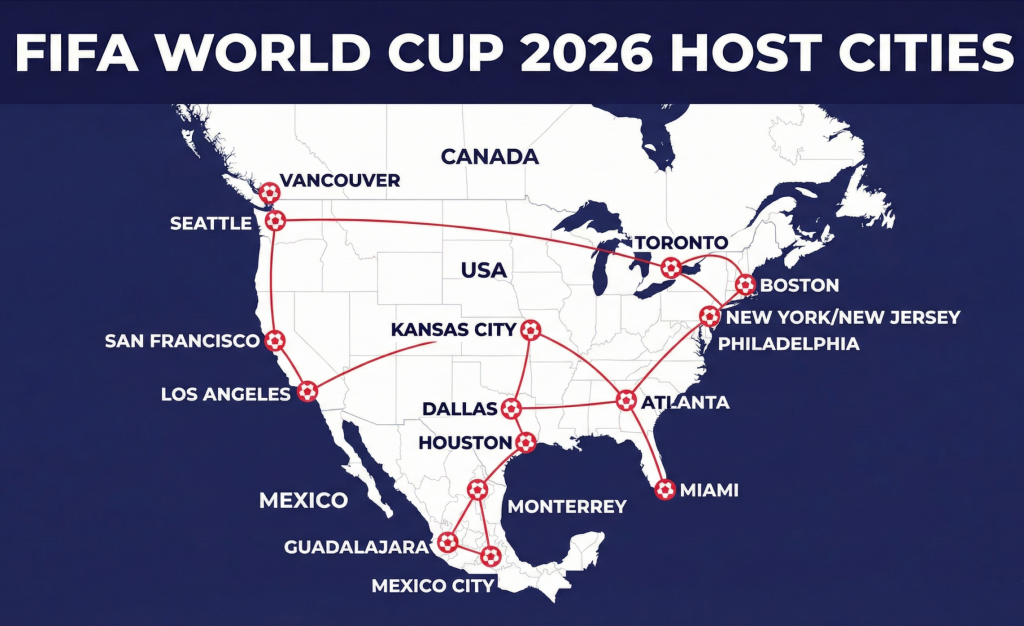
World Cup 2026 is hosted across three countries (USA, Canada, Mexico) and spread across 16 host cities. That alone changes everything. Unlike a single-country tournament where travel is mostly regional, this one creates constant cross-border movement and long-haul domestic flights—often with tight turnaround times.
Here’s what that means in real-world airport terms:
- Higher passenger volume on specific days (especially the day before and after matches)
- More last-minute rebooking when games go to extra time, schedules shift, or fans change cities based on outcomes
- More pressure on immigration/customs because of international arrivals across multiple entry points
- More congested terminals due to overlapping event travel + normal seasonal travel
- More baggage issues because of heavy loads, tight connections, and high transfer volume
Even if airlines add capacity, airports don’t magically grow new security lanes or immigration booths overnight. So the experience on the ground is where things can get messy.
The Travel Pattern Nobody Talks About: “Match-Driven Surges”
A World Cup doesn’t create steady travel. It creates spikes.
Fans tend to travel in waves:
- Arrive early in a host city (airport surge)
- Leave right after the match (airport surge)
- Move to the next city based on brackets (airport surge)
Now multiply that by thousands of fans per team, across multiple teams, in multiple World Cup 2026 locations—and you get a tournament where airports experience recurring mini–holiday seasons every few days.
If you’re planning to follow your team across cities, expect:
- crowded check-in and baggage drop
- long security lines
- packed lounges
- gate changes and delays that ripple through connections
- limited ground transportation availability at peak hours
World Cup 2026 Locations: What “Spread-Out” Really Means
Because the tournament spans a huge geographic footprint, travelers will often fly between host cities rather than drive. That pushes more demand onto key hubs.
Without turning this into an airport-by-airport analysis, here are the patterns to watch:
- Major hub airports will be under constant pressure. Even if your destination is a host city, you may connect through a mega-hub where congestion is the real problem.
- Border crossings matter. Traveling between US/Canada/Mexico means more document checks, more immigration time, and more “random delays” you can’t control.
- Smaller airports can feel bigger pain. Some locations aren’t built to absorb sudden international traffic waves, so services can slow down fast.
In other words: the itinerary looks exciting on your spreadsheet. The airport reality can be a different story.
So… How Do You Actually Travel Smoothly During the World Cup?
This is where people usually default to: “Just arrive early.”
And yes—arriving early helps. But during an event like this, everyone arrives early. Which means the lines start early too.
A better approach is to take control of the parts of the airport experience that normally cause delays and stress.
That’s exactly what Royal Airport Concierge is built for.
How Royal Airport Concierge Helps You Beat the Airport Chaos
Our goal is simple: make your airport time feel organized, calm, and fast—especially when the airport itself is anything but.
Depending on the airport and your travel plan, our concierge support can include:
1) Meet & Greet Assistance (Arrivals and Departures)
Instead of navigating a crowded terminal alone, you’re met by a professional agent who guides you through each step. That means less confusion, fewer wrong turns, and a smoother flow through the airport—especially helpful in unfamiliar World Cup 2026 locations.
2) Fast-Track Through Key Bottlenecks (Where Available)
When airports are overloaded, the choke points are predictable:
- security screening
- immigration and passport control
- customs processing
Fast-track support (where available) can reduce the time you spend stuck in lines and increase the likelihood you make tight connections.
3) Baggage Support That Saves Time (and Energy)
During peak travel events, baggage halls become crowded and chaotic. If you’re traveling with family, sports gear, or multiple bags, having support here is not “extra”—it’s practical.
And if you’re hopping between cities quickly, reducing baggage friction is one of the easiest ways to make travel feel less exhausting.
4) Lounge Access and Comfort Upgrades
Not every delay is avoidable. But the way you experience a delay matters.
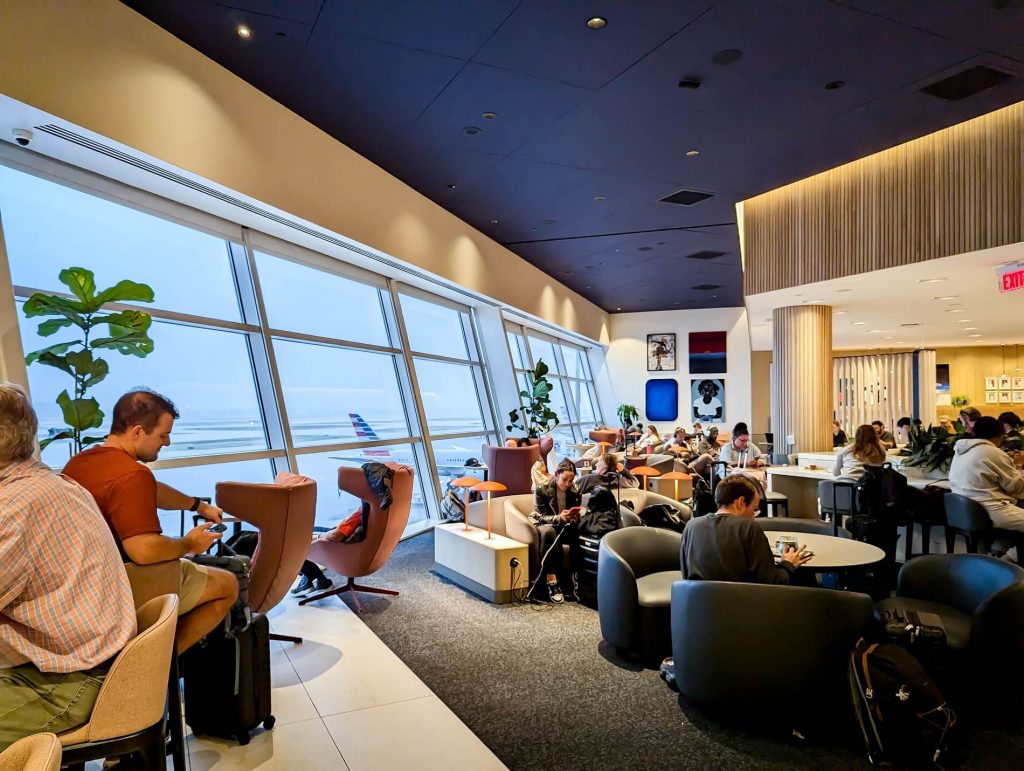
When terminals are packed, having a quieter place to sit, charge devices, eat, and regroup can change your whole travel day. It’s the difference between “airport survival mode” and “travel day handled.”
5) Connections That Don’t Feel Like a Sprint
World Cup travel often involves tight timing. If you’re connecting through a busy hub, a concierge-guided connection reduces the chance of getting stuck, lost, or slowed down by last-minute changes.
“Is This Only for VIPs?” Not During the World Cup
Here’s the honest truth: during major global events, airport concierge services stop being “luxury” and start being logistics.
You don’t have to be famous to want:
- less waiting
- fewer headaches
- smoother arrivals
- a more predictable travel experience
We work with families, business travelers, groups of friends, and anyone who values time and sanity—especially during high-volume travel periods around the World Cup 2026 locations.
Quick Tips If You’re Flying Between World Cup 2026 Locations

If you’re building a multi-city itinerary, these tips will save you pain:
- Book flights and airport services early. Availability tightens fast once schedules get set.
- Assume ground transport will be delayed. Don’t plan your airport arrival like it’s a normal week.
- Leave buffer time between cities. Bracket-driven travel is unpredictable; give yourself margin.
- Keep travel documents organized and ready. Border crossings plus crowds can slow everything down.
- Pack with airport efficiency in mind. Fewer bags, smarter carry-on strategy, and easy-access essentials help.
Final Thought: Don’t Let Airports Be the Worst Part of Your World Cup Story
The World Cup is supposed to be unforgettable—for the matches, the cities, the energy. Not for the four-hour security line, missed connection, and baggage chaos.
The reality is that flight flow and passenger volume around the World Cup 2026 locations will push airports to their limit. The good news is you don’t have to experience it the same way everyone else does.
With Royal Airport Concierge, you can travel with support, speed, and a lot more calm—so you arrive ready to enjoy the tournament, not recover from the airport.
If you’re planning your World Cup travel now, we’re ready to help you build a smooth airport experience in the host cities you’ll be visiting.
 English
  Español
  Français
  简体中文
简体中文  Русский
  Italiano
  العربية