

Flight delays are affecting travelers across multiple regions, with recent disruptions in Europe, changes in the EU’s border control system, and operational issues at Dubai International Airport (DXB).
Based on recent reports from Travel and Tour World, Travel Weekly, and Time Out Dubai, this article summarizes today’s and yesterday’s travel updates to help passengers understand what is happening and what to expect.
Our aim is to provide clear, factual information so you can better prepare for your journey.
Widespread Flight Delays Across Europe
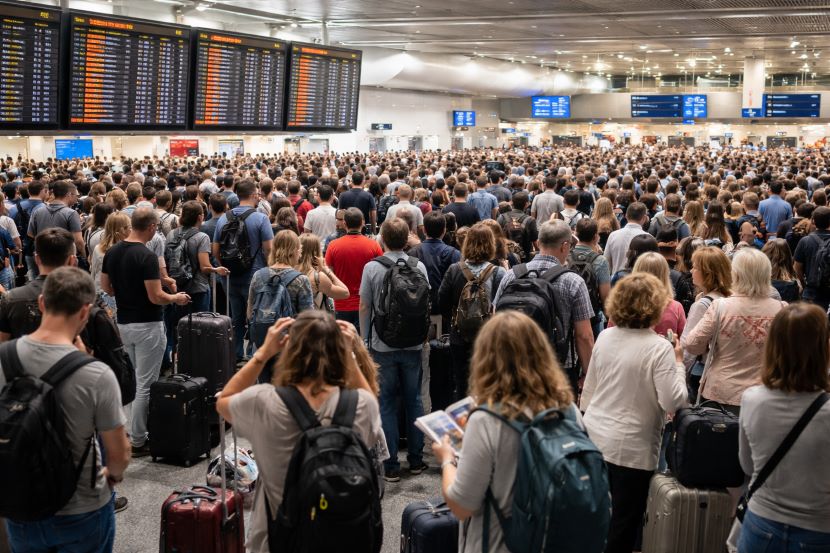
Recent data compiled by Travel and Tour World highlights a sharp increase in flight delays and cancellations across several European countries.
How Big is the Disruption?
According to the report:
- Around 2,715 flights were delayed within a short period.
- 99 flights were cancelled, stranding thousands of passengers.
- Affected countries include:
- Pays-Bas
- Belgique
- France
- Royaume-Uni
- Spain
- Italie
Airlines impacted include:
- KLM
- Air France
- British Airways
- Other European and international carriers
This combination of delays and cancellations has led to crowded terminals, long rebooking queues, and extended waiting times for passengers in major hubs such as Amsterdam and Brussels.
What Passengers Are Experiencing
Travelers in the affected airports are reporting:
- Long waits at check‑in, security, and boarding gates
- Difficulty getting timely updates on:
- New departure times
- Gate changes
- Rebooked connections
- Increased pressure on:
- Airline help desks
- Airport information points
If you are flying to, from, or through these European hubs, it is sensible to allow extra time at the airport and be prepared for schedule changes.
EU Entry/Exit System: Longer Queues at Border Control
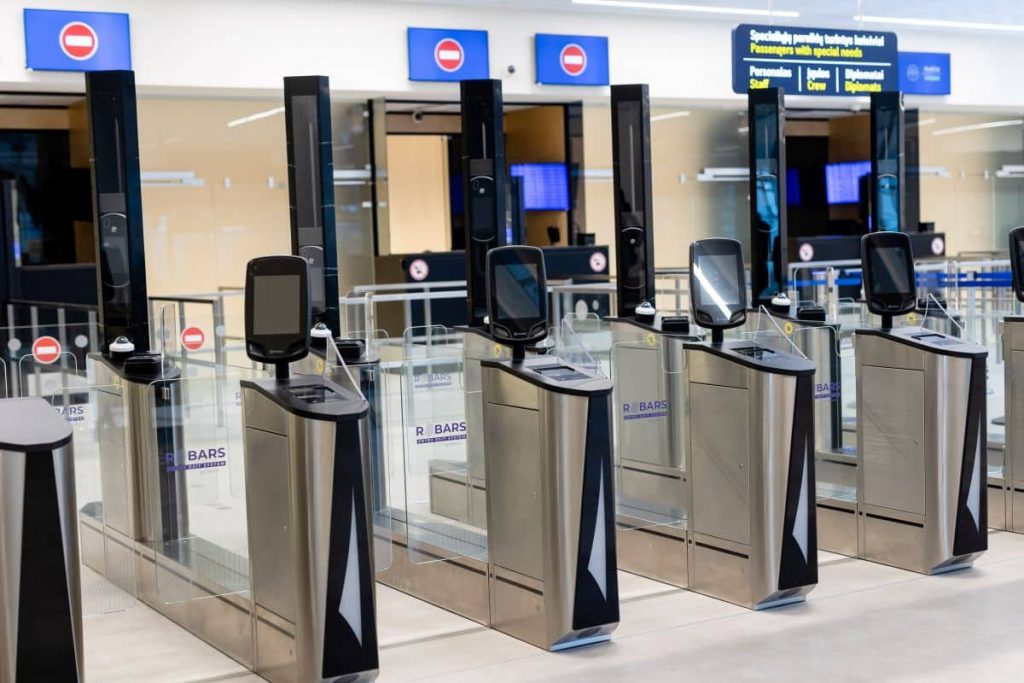
Beyond airline and operational issues, a structural change in how borders are managed is also impacting travel. The EU Entry/Exit System (EES) is being introduced for non‑EU nationals entering and leaving the Schengen Area.
Travel Weekly notes that this system is already contributing to significant delays at some airports.
What Is the EU Entry/Exit System?
The EES is a digital system that:
- Records the entry and exit of non‑EU nationals to and from the Schengen Area
- Collects biometric data, such as:
- Facial images
- Fingerprints
- Replaces manual passport stamping with automated registration
The goal is to improve border security and monitoring, but the transition period is creating challenges.
Impact on Airport Processing Times
Concerns raised include:
- Queues of up to three hours at some border control points
- Additional time required for:
- First‑time biometric registration
- Technical and system issues during roll‑out
- Increased congestion at:
- Passport control
- Connecting passenger flows
This means that even when flights themselves are on time, passengers can still face delays at immigration, especially during peak travel periods or at busy EU gateways.
Flight Disruption at Dubai International Airport (DXB)
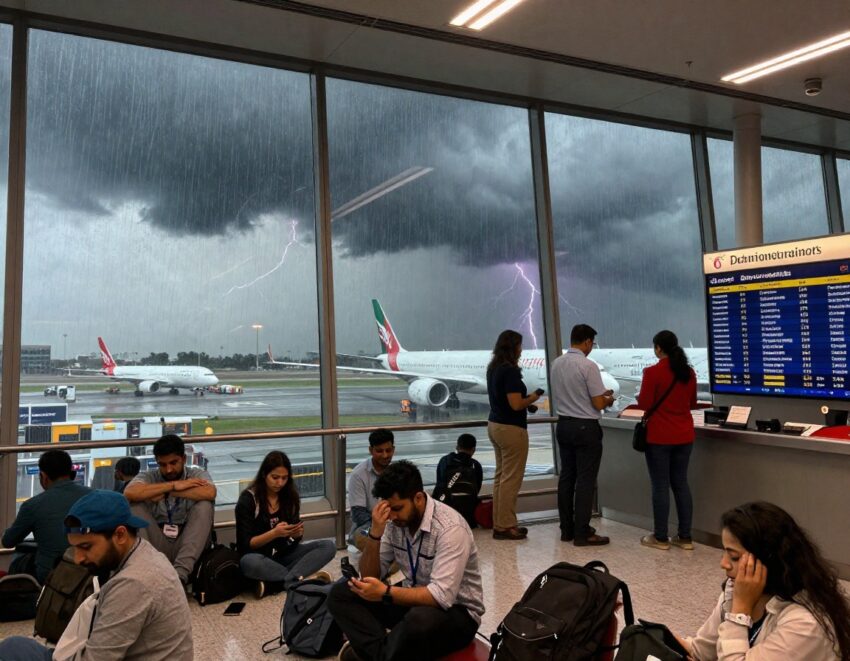
Dubai International Airport is one of the world’s busiest transit hubs, connecting Europe, Asia, Africa, and beyond. According to Time Out Dubai, DXB has recently experienced flight disruption that has affected both arrivals and departures.
Nature of the Disruption
While specific causes may vary—from weather conditions to operational constraints—the broad impacts include:
- Delayed departures and arrivals
- Occasional flight diversions
- Knock‑on delays for connecting flights via Dubai
For passengers, this can mean longer overall journey times and increased uncertainty while in transit.
What Passenger are Experiencing at DXB During Disruptions
Reports point to:
- Busier‑than‑usual terminal areas during disruption windows
- Higher demand for:
- Airline service desks
- Rebooking assistance
- Real-time information on gate changes
- Possible changes to:
- Boarding processes
- Gate assignments
- Baggage delivery times
If you are transiting through Dubai, especially on tight connections, it is advisable to monitor your flight status closely and be ready for potential gate or timing changes.
How to Face Flight Delays
While many factors behind flight delays are beyond individual control, passengers can take some practical steps to better manage the situation.
Before You Fly
- Check real‑time flight status through official airline apps and airport websites.
- Allow extra connection time, especially:
- When connecting within Europe
- When entering the Schengen Area for the first time under the EES
- Be aware of peak periods (holidays, weekends, major events) that may amplify delays.
At the Airport
- Arrive earlier than the minimum recommended time, particularly at:
- Busy European hubs
- Airports where the EU Entry/Exit System is being implemented
- Keep essential items in your carry‑on:
- Medications
- Important documents
- Chargers and a change of clothes for long-haul or complex itineraries
- Monitor:
- Departure screens
- Airline notifications
- Airport announcements
If Your Flight Is Delayed or Cancelled
- Confirm information through official channels (airline counters, apps, and websites).
- Ask about:
- Rebooking options
- Entitlements under airline policies or relevant regulations
- Preserve documentation:
- Boarding passes
- Delay or cancellation notifications
- Receipts for any essential expenses (if you plan to claim later under airline rules or insurance policies).
Looking Ahead: What Flight Delays Mean for Future Travel
With ongoing operational pressures, new border control systems, and high passenger numbers, flight delays are likely to remain a recurring feature of global air travel.
For travelers, this means:
- Building more flexibility into itineraries
- Anticipating longer processing times at certain airports
- Staying informed about:
- Regulatory developments (such as the EES)
- Major incidents or disruptions affecting key hubs
Being prepared does not eliminate disruption, but it can significantly reduce stress and help passengers respond more effectively when plans change.
 Français
  English
  Español
  简体中文
简体中文  Русский
  Italiano
  العربية